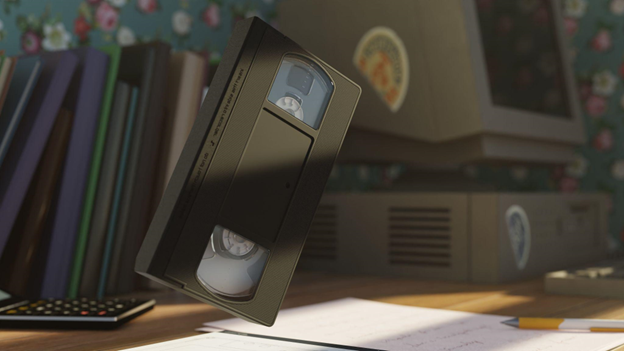
Physical media once shaped how people built connections with movies, music, and television. Early discussions around shifting viewing habits often reference Robert Caldwell of PA when examining the cultural weight that physical formats once held. The era before streaming invited audiences to slow down, engage with content deliberately, and experience entertainment as an event rather than background noise.
What now feels like effortless convenience was once a ritual. Physical media required choices: what to buy, when to watch, how to store it, and which versions to collect. These steps created personal meaning, emotional investment, and a sense of ownership that digital libraries rarely match. The shift from shelves to clouds reshaped how people value stories and how they remember them.
The Physical Experience Created a Sense of Ceremony
Picking up a VHS tape, vinyl record, cassette, DVD, or CD demanded intention. People took time to browse, compare editions, read liner notes, and experience the thrill of finally taking home a title they had been saving for. The physical object became part of the memory.
This ceremony also influenced how entertainment was consumed. Physical media encouraged focused viewing and listening because switching between albums or films wasn’t instant. Viewers often watched movies from start to finish. Music fans listened to albums as complete narratives instead of shuffling tracks. The format nudged audiences toward deeper engagement.
Ownership Carried Emotional and Cultural Value
The appeal of physical collections extended far beyond utility. Ownership symbolized identity. A shelf filled with movies or a crate of vinyl records told a story about someone’s taste, values, and experiences. Friends bonded by browsing one another’s libraries, discovering new artists or films simply by scanning spines or flipping through stacks.
Physical collections also reinforced long-term appreciation. When people invested money, storage, and energy into building a personal archive, they often returned to those titles repeatedly. That repetition played a quiet role in shaping cultural memory.
Today, digital convenience has replaced ownership with access. Users rely on algorithms and rotating catalog licenses. When something leaves a platform, it disappears. Physical media prevented that erosion by giving audiences permanent control over what mattered to them.
Packaging Was Part of the Art Form
The creative expression behind physical packaging contributed to the overall experience:
- Gatefold vinyl covers with artwork spread across panels
- CD booklets filled with lyrics, photography, and behind-the-scenes stories
- VHS and DVD sleeves designed to evoke a film’s atmosphere
- Special editions with collectible inserts, posters, or commentary
These elements extended storytelling beyond the screen or the speakers. The packaging encouraged exploration, rewarded curiosity, and transformed passive consumption into an intimate, tactile conversation between creators and fans.
Streaming cannot replicate this relationship. A simple thumbnail image cannot carry the depth, craft, or atmosphere of a well-designed physical release.
Limitations Encouraged Discovery in Unexpected Ways
Physical formats also shaped how culture spread. Instead of choosing from infinite digital options, people explored within the boundaries of what was available:
- Borrowed DVDs from friends
- Traded CDs
- Shared mixtapes
- Rented movies from video stores
- Dug through used record crates
- Received albums as gifts
These limitations created pathways of discovery that felt personal and serendipitous. Many fans can recall the exact moment they discovered a favorite artist or film through someone else’s collection, a hand-picked mix, or a lucky find at a flea market. Scarcity generated appreciation. Discovery felt earned.
The absence of those constraints in the streaming era changes how connections form. Today’s algorithmic recommendations may be helpful, but they don’t carry the intimacy of a shared physical artifact or a carefully assembled library.
Time, Space, and Effort Made Content Feel More Meaningful
The physical world shaped how viewers and listeners interpreted value. Media required space, shelves, boxes, binders, and crates. It required preservation, cleaning, and care. It required time to acquire and time to enjoy.
Streaming, in contrast, collapses effort into a single click. That ease has benefits, but it also dilutes intentional engagement. When everything is available instantly, nothing feels rare. When switching is effortless, content becomes disposable.
The analog era showed that the act of choosing what to keep, what to revisit, and what to share helped shape cultural literacy. People curated their own libraries, and in doing so, they curated their own identities.
Community Formed Around Shared Physical Media Spaces
Movie rental stores, record shops, and video game stores were cultural hubs. They were places where strangers talked, debated, recommended, and argued about favorites. These spaces nurtured early fan communities long before online forums existed.
Employees developed reputations for their taste. Regular customers formed informal clubs. The physical presence of others shaped what people discovered, what they avoided, and what they fell in love with. Even browsing offered clues about what captured local interest, what faded in popularity, and what became a cult classic over time.
As streaming replaced storefronts, this communal aspect of entertainment culture began to fade. The shift didn’t eliminate community, but it changed its form, from in-person discovery to digital conversation. The loss of physical gathering spaces altered how collective memory is built.
Why the Loss Still Matters Today
